
Dry river in peak monsoon? Nalbari’s Pagladiya recedes as Assam drowns elsewhere
The sudden drying of the river is not only threatening agriculture but also putting biodiversity and local ecosystems at risk
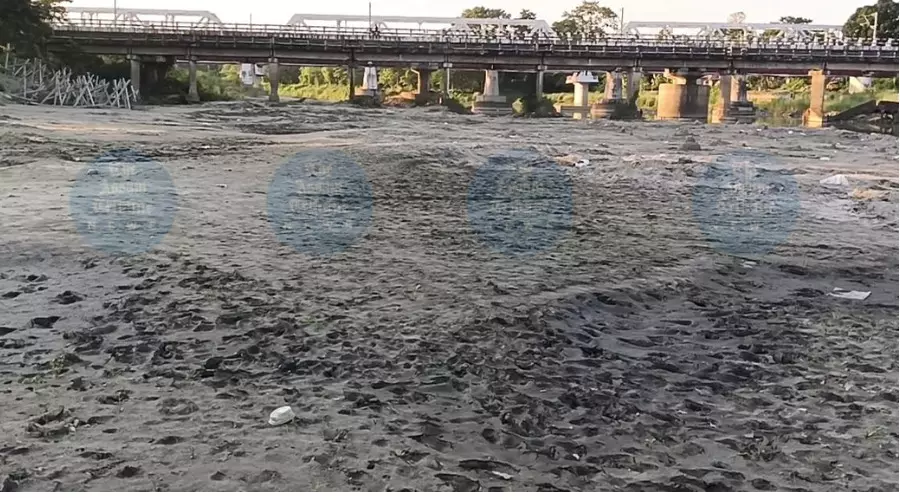
Pagaladiya River dried up during peak monsoon season.
Nalbari, July 12: Even as four districts of Assam remain submerged under floodwaters, an alarming and contrasting crisis has gripped Nalbari district — the Pagladiya River, once known for its strong monsoon flow, is drying up in the peak of the rainy season, creating a drought-like situation.
Cracked paddy fields, parched soil, and shrinking water levels have left farmers anxious and exposed the region’s growing climate vulnerability.
Villages such as Kaithalkuchi, Bali, Gobaradal, Haribhanga, Sonara, Sandheli, Pipalibari, Makhibaha, Gormara, Bhojkuchi, Nakhra, Bargaon, Sialmari, Mathurapur, Jalkhana-Bhathuwakhana, and Nannattari have been among the worst affected.
The sudden receding of the Pagladiya's waters is not only threatening agriculture but also putting biodiversity and local ecosystems at risk.
“It is really a matter of concern. During this time of year, every river is usually brimming with water, but this one is turning into a desert. Farmers are struggling to irrigate their paddy fields,” said Rajesh Dutta Baruah, a local resident.
Baruah pointed to global warming and erratic monsoon patterns as major contributors, calling for urgent collective action. “It’s high time we act. Every individual must come together to address this crisis,” he said.
Echoing the sentiment, Sahil Mallik, another resident, highlighted the ecological impact of the river’s decline.
“This is the peak monsoon season, and instead of overflowing rivers, we are witnessing them dry up. The Pagladiya’s depletion is also affecting nearby water bodies. Aquatic life is under serious threat, and that endangers the entire ecosystem,” Mallik noted.
He added, “If we don’t act fast, this crisis will spiral further. Climate resilience and water conservation must become top priorities — for governments, communities, and individuals alike.”