
When the internet turns on a child: What Ishit Bhatt episode says about us
If we mock a 10-year-old rather than understand, punish instead of teach; the fault lies with watching adults, not children.
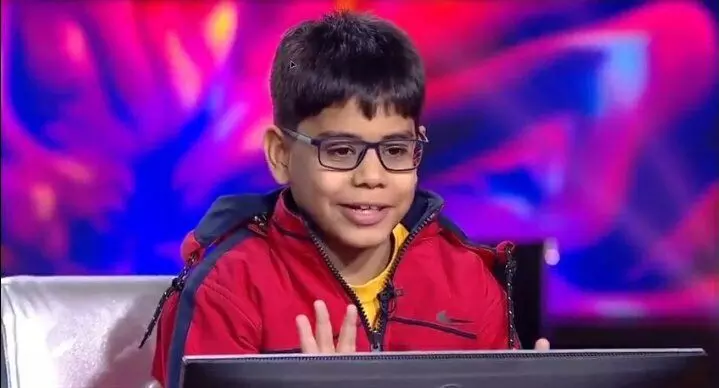
10-year-old Ishit Bhatt during the game show, Kaun Banega Crorepati. (Photo:X)
In today’s world, outrage travels faster than kindness. The recent case of 10-year-old Ishit Bhatt, a fifth-standard student from Gandhinagar who appeared on Kaun Banega Crorepati (KBC), is a perfect example of how easily social media forgets its sense of proportion—and compassion.
During his episode, Ishit came across as confident, even slightly assertive, when he told Amitabh Bachchan, “Mere ko rules patahai, isliye aap mereko abhi rules samjhane mat baithna.”
For many viewers, that sentence was enough to paint him as “arrogant” or “ill-mannered”. Within hours, the internet was flooded with posts mocking him, questioning his upbringing, and even insulting his parents. Some went as far as calling him “the most hated kid on the internet.”
Let’s pause and think about that for a moment — a ten-year-old child being publicly humiliated by adults for being “too confident”.
We seem to have forgotten that confidence in a child is often unpolished, loud and sometimes misplaced. Children learn by making mistakes, not by being shamed.
What is more disturbing is how easily people on social media take the moral high ground. The same adults who complain about the loss of “innocence” in today’s youth are often the first to use harsh words when a child behaves differently from their expectations.
Parenting tips, judgmental comments, and angry declarations about “manners” poured in from people who know nothing about the boy or his family. It’s far too easy to sit behind a screen, type a few words, and destroy a child’s confidence for life.
Playback singer Chinmayi Sripaada said it best, when adults on social media call a child the “most hated kid”, it says more about them than about the child. The lack of empathy, the need to ridicule, and the mob-like behaviour reflect a society that has grown numb to decency.
There’s another side to this story too, the pressures of television and fame. Children who appear on national shows are often pushed into adult-like situations.
The lights, cameras, and audience can make anyone nervous or over-enthusiastic. Producers love “viral moments”, and sometimes children unknowingly become tools for boosting viewership. Shouldn’t we be questioning the system that puts kids under such scrutiny, rather than attacking the kid himself?
Yes, manners are important. Yes, humility matters. But so does compassion. If a child’s tone felt off, the solution isn’t public shaming, it’s guidance, patience, and support.
The real reflection here is on us, the audience. If our first instinct is to mock instead of understand, to punish instead of teach, then maybe the problem doesn’t lie with a ten-year-old boy on television, it lies with the adults watching him.
In the end, Ishit Bhatt is just a child who spoke a little too confidently on a big stage. What he deserves is not hatred, but a gentle reminder, a chance to learn and a world kind enough to let him grow.