
Mizoram rodent outbreak: 800 farmers hit in 3 districts, zoologist to assess species
45 villages in Mamit, Lunglei & Saitual districts are among hardest hit; at least 158 hectares of farmland have been damaged
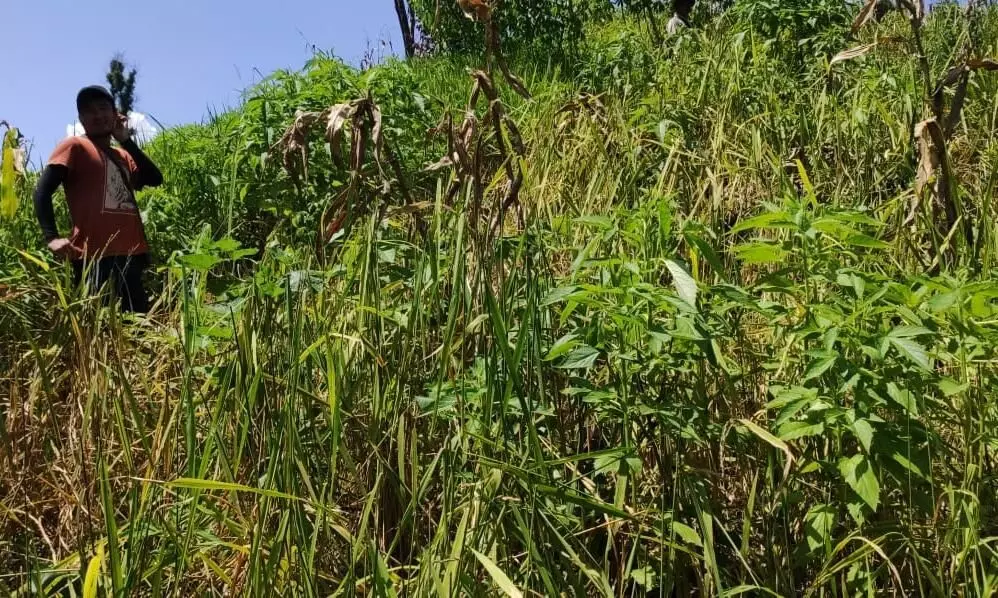
A file image of crop destroyed due to rodent outbreak in Mizoram. (Photo: @airnews_aizawl/x)
Aizawl, Sept 27: Teams of zoologists from the Pachhunga University College here will study and assess the current outbreak of rodents, sources said.
Led by Prof Lalramliana, two teams from the Zoology department of the college set out on Thursday to visit the affected villages, while one team set out on Friday, the sources said.
The teams will examine and find out the species of the rodents and identify whether they are potential to spread scrub typhus, it said.
According to the findings of experts from the Pachhunga University College and researchers from other countries, rodents carry and spread several diseases and it was confirmed that scrub typhus is largely spread by rats or rodents in Mizoram.
Rodent attacks are currently reported in at least three Mizoram districts, affecting more than 800 jhum farmers.
State Agriculture Department Deputy Director (Plant Protection) Lalrindiki said that the rodent infestation is linked to the flowering of a particular bamboo species called Bambusa tulda (rawthing), locally known as ‘'Thingtam’ famine, which occurs every 46 years and is due in 2025.
The rodent infestation has been reported from 45 villages in Mamit district and two in Lunglei district and one in Saitual district, she said.
Lalrindiki added that 800 jhum farmers, who mainly grow rice and soybeans, have been affected by the rodent attacks. Out of 2,500 hectares of land under jhum cultivation, about 158 hectares have so far been infested, she said.
Mamit district, which borders Tripura and Bangladesh, is the worst affected, with 769 farmers from 45 villages facing the attacks.
‘Thingtam’, which recurs in a 48-year cycle, last happened in the State in 1977. Mizoram reported the last rodent attack in 2022, during which at least nine districts were affected.
Due to the flowering of Melocanna baccifera, Mizoram experienced a famine-like situation in 2007. However, no one died because of timely financial assistance from the Centre and massive preparation by the State Government.
PTI