
250 organic clusters planned to boost scientific farming in Northeast
Drone-based data management and digital agriculture systems are being put in place for connecting farms directly to markets while promoting livelihoods
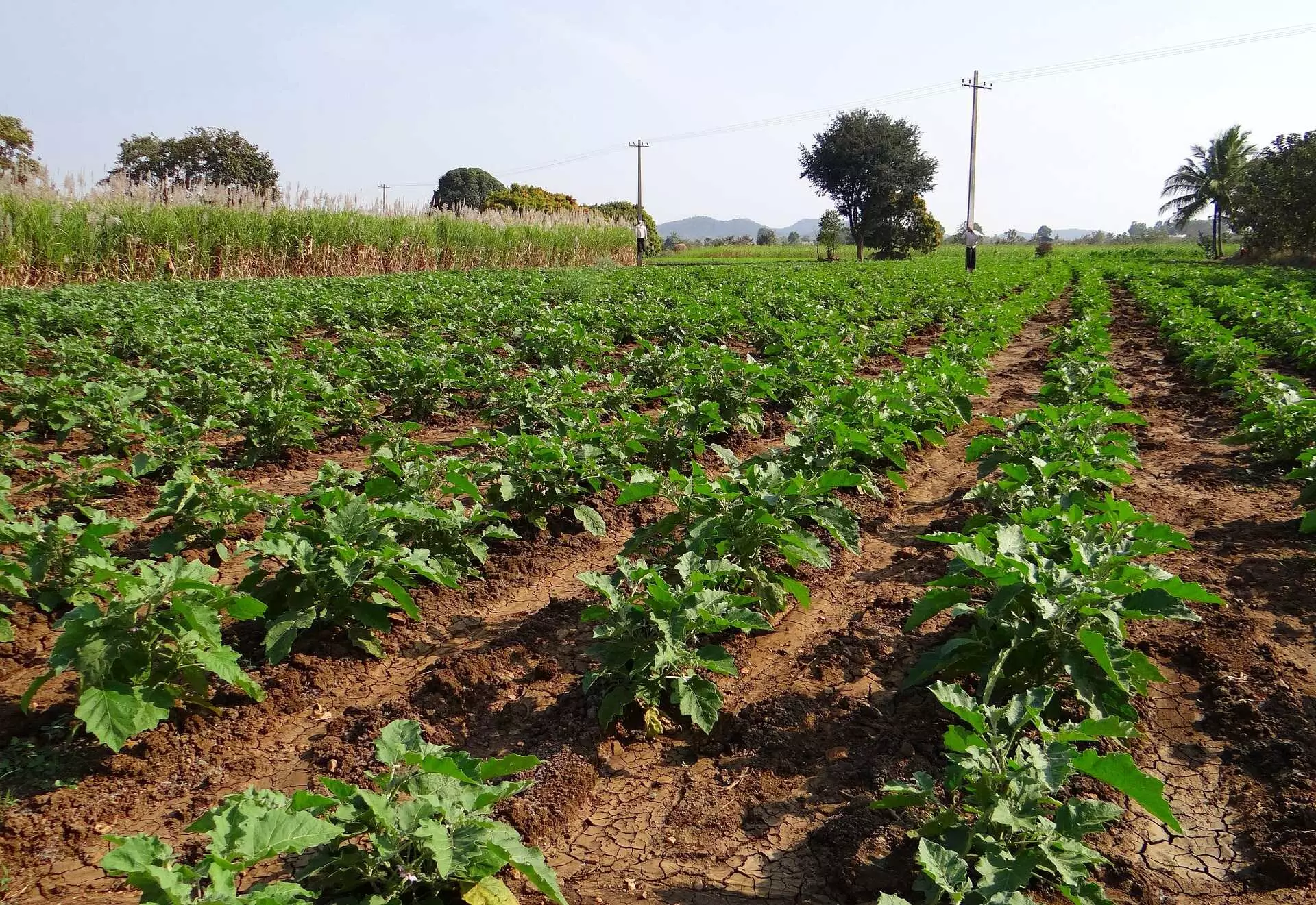
The project, which is expected to bolster sustainable farming and rural livelihoods (Photo:Pixabay)
GUWAHATI, March 6: Scientific organic agriculture across the Northeast is set to expand in a big way, with the North East Centre for Technology Application and Reach (NECTAR), an autonomous body under the Department of Science and Technology, Government of India, spearheading a transformative initiative under its project “Promoting Scientific Organic Agriculture in Northeast India.”
The project, which is expected to bolster sustainable farming and rural livelihoods, comes under the PM-DevINE scheme by the Ministry of Development of the North Eastern Region (DoNER).
“The three-year project with six major verticals envisions to create 250 organic-certified clusters across the Northeast, integrating modern science with traditional farming practices to increase yield with focus on capacity building in organic farming, establishment of demonstration farm laboratories, supply of certified organic seeds and planting materials, and awareness about soil fertility among farmers accomplished via rapid Soil Organic Carbon and Soil pH Detection Kit (VASUNDHARA),” Dr. Arun K Sarma, Director General, NECTAR, told The Assam Tribune.
NECTAR has already started manufacturing the kits at its Shillong campus under technology support by Bhabha Atomic Research Centre (BARC). For improved soil conditions, a total of 25,000 kits have been distributed to farmers under PM-DevINE scheme.
“The kit comes with farmer-friendly components which enable farmers to assess the soil organic carbon and pH in ten minutes, followed by bio-input dose recommendation for improved soil fertility,” Sarma said.
“This initiative not only makes a farmer “Atmanirbhar” but also brings a paradigm shift among farmers to accept and embrace scientific agricultural practices,” he added.
Drone-based data management and digital agriculture systems are being put in place for connecting farms directly to markets while promoting livelihoods for disadvantaged communities and remote localities.
“NECTAR is building a new promising cadre of organic farmers, as the core objective of the project is the development of human resources and is projected to form a group of 250 master trainers from six Northeastern States — Assam (88), Meghalaya (57), Arunachal Pradesh (15), Mizoram (20), Nagaland (20), and Tripura (50). Each master trainer is connected to 100 farmers with minimum 100 acres of land. Hence, in Assam alone, 88 master trainers are connected to a total of 8,800 farmers with minimum 8,800 acres of land,” he said.
The master trainers will gain essential skills in organic farming and are expected to lead demonstration farming activities in their own farms at each cluster (100 farmers), through the demonstration farm labs and create a network of trainee farmers in the vicinity of the master trainer. Through this training model, the project aims to create and mentor 25,000 trained farmers across the region and convert at least 25,000 acres of land into organic certified land.
Under its pilot programme to bridge digital organic agriculture with field-based modality, NECTAR has installed 19 Internet of Things (IoT) devices to collect real-time climatic, environmental and soil information. These devices have been installed in Assam Lemon and Banana Cluster in Chirang district, which has been identified as a priority area for smart agriculture initiatives.
Sarma said that the pilot intervention was coupled with the state-of-the-art Management Information System (MIS), hosted in NECTAR Server, providing continuous monitoring, delivering a reliable and secure solution for the operation and acceleration of the project outcomes.