
BRO builds world’s highest all-season motorable pass at 19,400 ft in Ladakh
Out of the 14 highest motorable passes in the world, eight are already in Ladakh and three more are under construction.
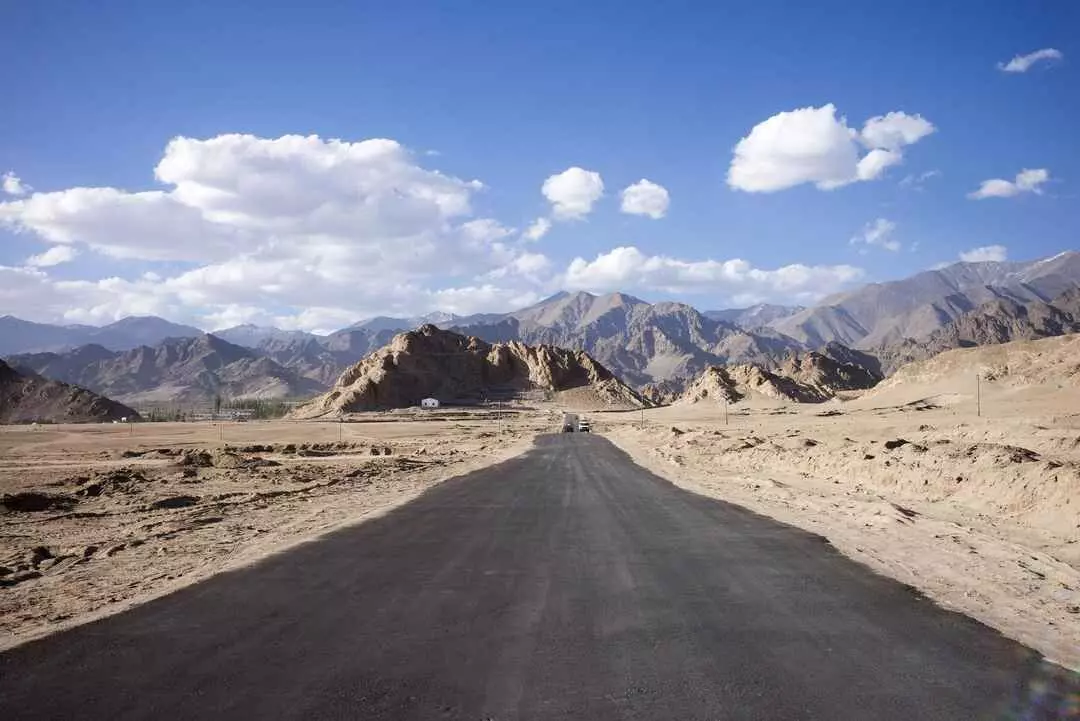
Leh, Aug 3: In a massive boost to India’s border infrastructure, the Border Roads Organisation (BRO) is building the world’s highest motorable pass and fast-tracking all-weather tunnel connectivity in Ladakh under its flagship project ‘Himank’.
The twin push – part of a broader strategic vision to fortify the Line of Actual Control (LAC) and open up remote border settlements – is poised to be a game-changer for both defence logistics and civilian life.
At 19,400 feet, the upcoming Mig La Pass, located on the Likaru-Mig La-Fukche road, will surpass Umling La (19,024 ft) to become the highest motorable pass in the world. Running close to the LAC, the road will connect forward villages like Fukche, just a few kilometres from the Chinese border, giving India a critical edge in troop movement and high-altitude mobility.
Out of the 14 highest motorable passes in the world, eight are already in Ladakh and three more are under construction.
“We are building roads at altitudes where mere survival is a struggle. At Mig La, oxygen levels are less than 50 per cent – yet our teams are working day and night to beat both terrain and time,” said Colonel Deepak Palande, Director, Works and Resources, Project Himank while talking to a group of journalists from Assam visiting Leh.
Alongside its high-pass push, BRO is also racing to complete a string of all-weather tunnels to end Ladakh’s seasonal isolation. Key among them are the Zojila Tunnel – which will provide round-the-year access between Srinagar and Kargil – and the upcoming Shinku La Tunnel, part of the Neemu-Padum-Darcha (NPD) road, which will offer an alternate approach to Ladakh via Himachal Pradesh.
“Ladakh remains cut off for nearly six months every year. These tunnels will ensure both military and civilian movement doesn’t stop with snowfall,” Col Palande said.
The BRO official also highlighted the use of new construction techniques like Arch Tunnel Technology, adopted for a structure on the Durbuk-Shyok-DBO road. Designed to withstand avalanches and shooting stones, this is the first such initiative in India and is supposed to be completed this working season.
“It’s like a tunnel, but assembled with precast concrete arches. It’s being built without boring into the mountain, which makes it ideal for geologically sensitive zones,” he explained.
The tunnel, situated close to the LAC, is crucial for maintaining strategic all-weather access to forward posts, especially in areas prone to snow slides.
While the military significance is clear, these roads and tunnels will also open up isolated villages to healthcare, education, trade, and tourism. Villages like Fukche, Hanle, and Demchok – previously considered “the last points on the map” – are now being connected under both Project Himank and the Centre’s Vibrant Villages Programme.
“It’s not just roads. It’s about connecting people to possibilities,” Col Palande noted.
Project Himank already holds seven Guinness World Records, but the work under way promises to raise the bar further.