
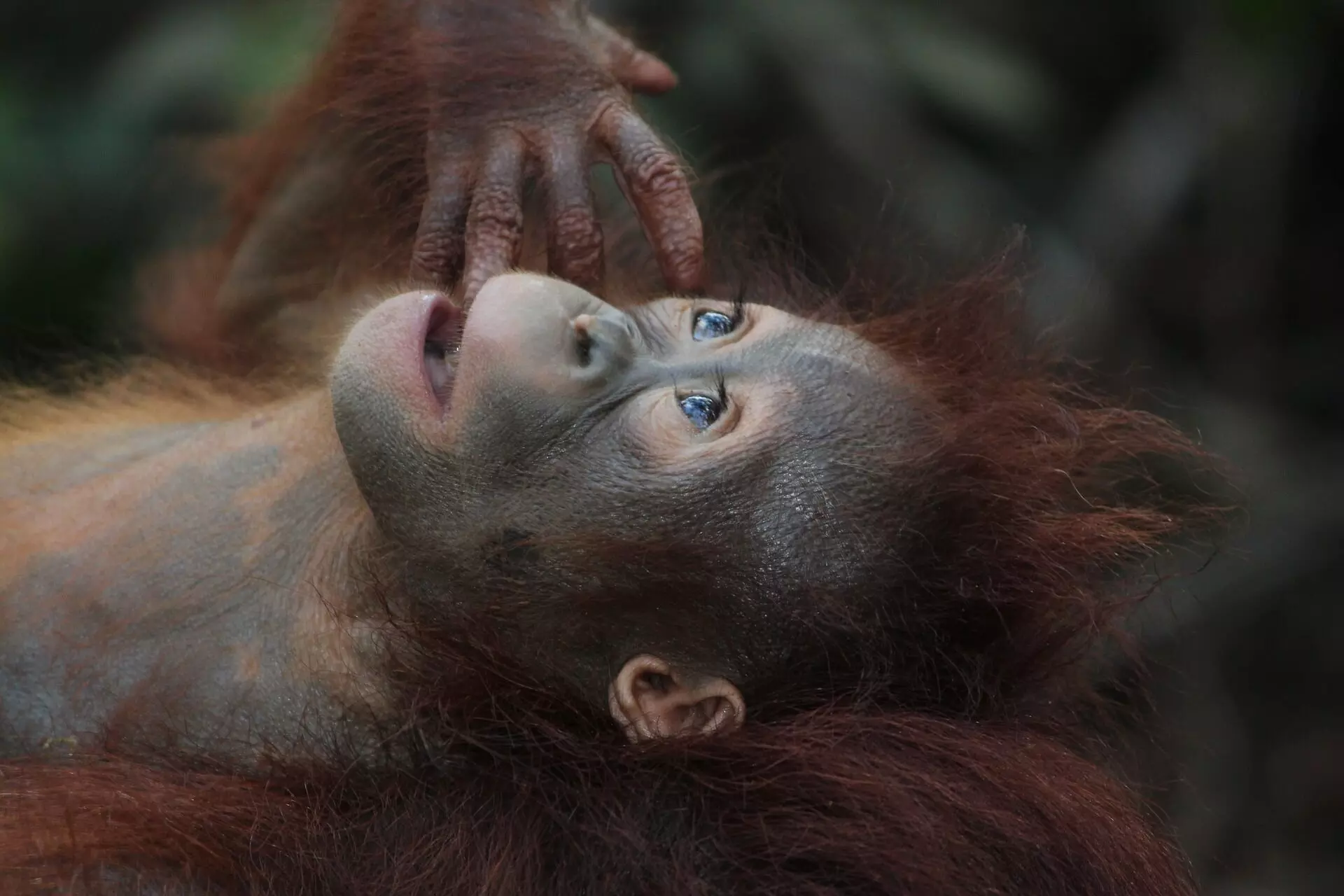
Representational image
Guwahati, Oct 14: In a recent report, Living Planet Report (LPR), released by the World Wildlife Fund (WWF) in collaboration with the Zoological Society London (ZSL) shows that world's wildlife populations have suffered a "devastating" decline in the past 50 years as humans have cleared forests and polluted the air, land and sea.
Almost 32,000 wildlife populations, covering more than 5,230 animal species from around the world between 1970 and 2018 were monitored to measure the changes. Deforestation, human exploitation, pollution, and climate change were the biggest drivers of the loss, said reports.
As per the report, wildlife populations in Latin American and the Caribbean were devastating as they are experiencing a 94% drop in just five decades. One population of pink river dolphins in the Brazilian Amazon plummeted by 65% between 1994 and 2016, the report said. Wildlife populations have dipped by 66 per cent in Africa and 55 per cent in Asia Pacific. Freshwater populations have declined by 83 per cent on average compared to other species groups.
The LPR also highlights that the planet is in the midst of a global double emergency. Marco Lambertini, Director General of WWF International, said: "We face the double emergencies of human-induced climate change and biodiversity loss, threatening the well-being of current and future generations. WWF is extremely worried by this new data showing a devastating fall in wildlife populations, in particular in tropical regions that are home to some of the most biodiverse landscapes in the world."