
Malaysia, Vietnam emerge as key hubs in global rhino horn trafficking: Reports
During the period 2021 to 2023, seizures in Malaysia accounted for 24 per cent of the total seized weight (horn) worldwide.
Guwahati, Aug 10: The most common illegal rhino horn trade links are with Malaysia and Vietnam, while seizures in Mongolia represents an emerging trend to watch, a report by IUCN and TRAFFIC has stated.
During the period 2021 to 2023, seizures in Malaysia accounted for 24 per cent of the total seized weight (horn) worldwide, and all implicating seizure records listed the nation as the final country on the illegal trade chain, either as a transit or destination, the report titled ‘The African and Asian Rhinoceroses – Status, Conservation and Trade’ stated.
The illegal rhino horn trade volume that reported an international trade route (60 seizures) and linked Africa to other countries consisted of 29 seizures totalling 850 kg. Malaysia was the most commonly reported illegal trade link, with 362 kg of rhino horn specimens travelling from South Africa to Malaysia representing the strongest-weight illegal trade link observed during 2021-2023. This included a single seizure of 160 kg of rhino horns in 2021, which is the largest by weight recorded in the analysis period.
“The presence of such substantial illegal consignments designating Malaysia as the country of destination suggests the potential involvement of a nationally coordinated organised criminal network capable of receiving and processing large shipments,” it said.
Other strong illegal trade links were noted with Vietnam, consisting of a single seizure of 139 kg, and transit countries were traced to the Middle East (United Arab Emirates and Qatar).
“Seizure data revealed that Vietnam is named as the destination for large illegal shipments of rhino horn specimens, that some of these shipments also contain multiple illicit wildlife specimens in large quantities,” the report stated.
“Vietnam is the second most connected in the illegal trade network, which is an indication of the country’s important role in the illegal rhino horn trade that is likely connected to organised crime networks,” it added.
Other countries reported along the illegal trade chain included Singapore, the Philippines and Germany.
Interestingly, compared to the illegal trade links identified in the report to CoP19 (in the year 2022), whereby over half of the records that reported trade with South Africa were destined for China, only one seizure totalling 4 kg was destined for China and was intercepted by South African authorities in 2023. At the same time, a newly reported link between South Africa and Mongolia was noted. The latter consisted of four seizures, all occurring between May and September of 2023 and consisting of 4-19 kg in weight; while two of the seizures were reportedly made by air transport and the other two by land, the similar concealment methodology might indicate a single trafficker. Regardless, this illegal trade route with Mongolia represents an emerging trend to watch, it noted.
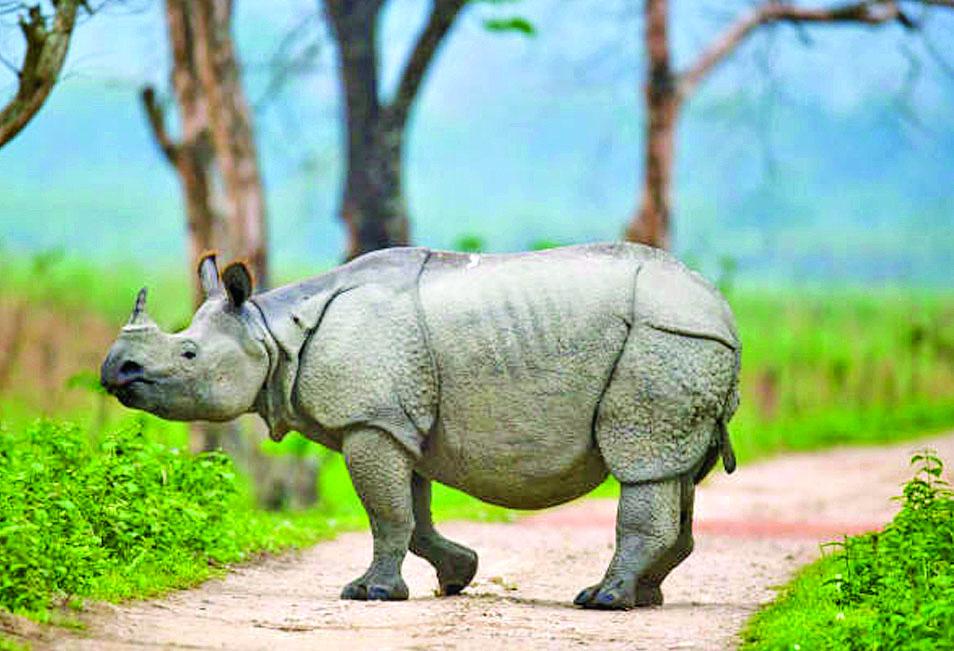
On the status of rhinos in Asia, the report stated that since 2007, rhino population in India and Nepal have shown steady growth, while Indonesia’s population has remained small and highly threatened. In India, the number of greater one-horned rhinos rose from 2,150 in 2007 to 3,323 in 2024, reflecting successful conservation efforts. Nepal’s population of the same species also grew consistently, from 413 in 2007 to 752 in 2024. In contrast, Indonesia’s rhino numbers remain critically low. The Javan rhino increased modestly from 40-50 individuals in 2007 to 76 in 2021, but dropped to an estimated 50 in 2024, due to poaching. The Sumatran rhino has seen ongoing declines, with total numbers falling from 180-200 in 2007 to just 34-47 in 2024. These trends highlight both the success of focused protection in India and Nepal, and the urgent need for stronger enforcement and recovery actions in Indonesia.
In India, nine greater one-horned rhinos were illegally killed between January 2021 and December 2024. In Nepal, four greater one-horned rhinos were killed during the same period. Investigations by Indonesian police in 2024 revealed that as many as 26 Javan rhinos were reportedly killed by two poaching groups in Ujung Kulon National Park between 2019 and 2023.