
PwDs seek policy action, not welfare promises before Assam Assembly Polls
A state-level consultation in Guwahati brought disability groups to outline demands on healthcare, education, reservations and accessible infrastructure.
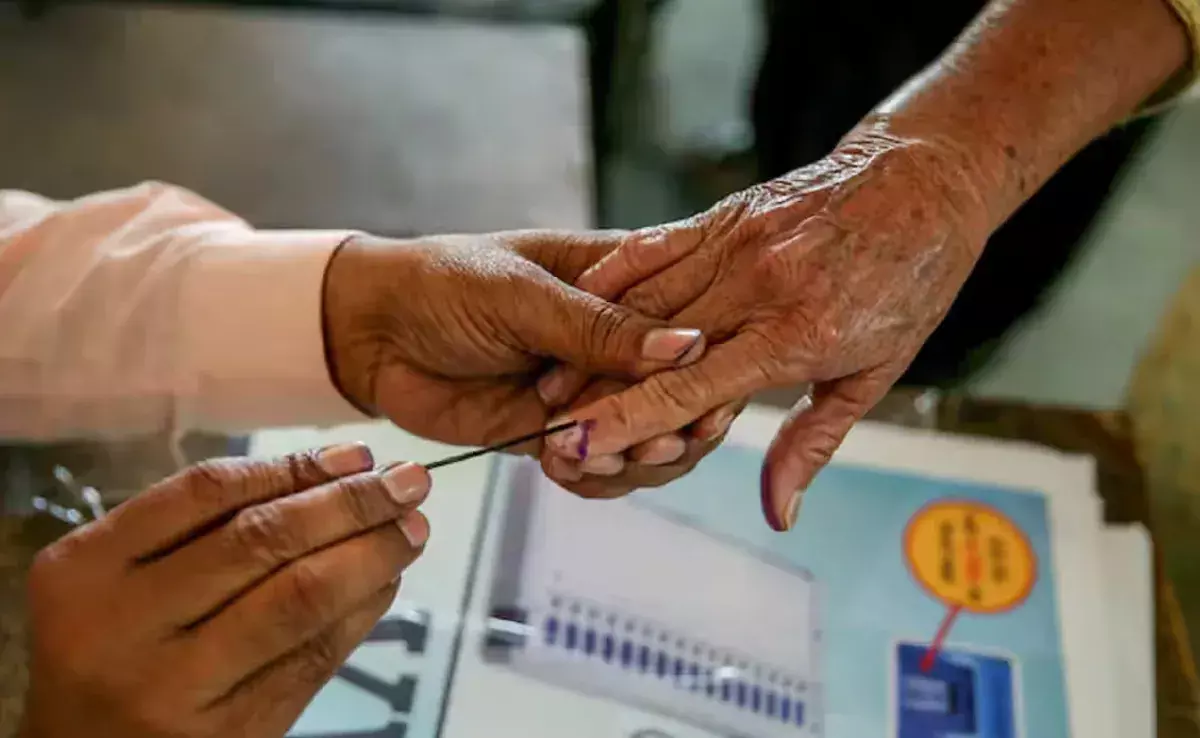
Representational Image
Guwahati, Feb 22: With the Assam Assembly elections drawing closer, persons with disabilities (PwDs) across the State have collectively sought stronger political representation and concrete policy commitments, flagging accessibility, education, healthcare and employment as key gaps that continue to limit their participation in public life.
At a state-level consultation held in Guwahati under the nationwide ‘Mera Vote Mera Bharat’ campaign, more than 130 participants, including persons with and without disabilities, Organizations of Persons with Disabilities (OPDs) and representatives from industry bodies, deliberated on barriers to political inclusion and prepared a Charter of Demands to be submitted to major political parties ahead of the polls.
The consultation, convened by the National Centre for Promotion of Employment for Disabled People (NCPEDP) in collaboration with Young Indians Guwahati and supported by the Mphasis F1 Foundation, highlighted that despite constitutional safeguards and disability rights legislation, structural challenges such as inaccessible polling infrastructure, limited accessible electoral information and weak representation in decision-making processes persist.
Participants emphasised that Assam has more than two lakh registered voters with disabilities, making the constituency politically significant and underscoring the need for disability concerns to be reflected in election manifestos.
Addressing the gathering, NCPEDP executive director Arman Ali said disability rights must be recognized as a political issue rather than a welfare concern. “Democracy is meaningful only when every citizen can participate equally. Persons with disabilities are not asking for charity; they are asserting their constitutional right to political participation. We want political parties in Assam to recognize persons with disabilities as an important and active voter constituency,” he said.
Ali questioned the inconsistency in policy implementation, drawing parallels with strict enforcement of safety norms. He noted that while measures like mandatory helmets and seatbelts are effectively implemented, accessibility provisions for persons with disabilities often remain poorly enforced. He further said political discourse on disability frequently remains confined to pension schemes, while broader issues such as accessibility, education opportunities and health insurance require greater attention.
The consultation saw participants articulate a range of demands, including affordable and accessible private health insurance for PwDs, five per cent reservation across governance structures, disability-inclusive panchayats, incentives for the private sector to adopt universal design, time-bound implementation of disability legislation, dedicated budget allocations for inclusive education and training, and development of accessible sports infrastructure in all districts.
Personal accounts shared during the consultation brought lived realities into focus. Para cyclist Rakesh Banik described the discomfort faced during airport security procedures that require removal of prosthetic limbs, while swimmer Elvis Ali Hazarika and journalist Pranay Bordoloi also highlighted everyday accessibility challenges and social barriers. Entrepreneur Dipannita Jaiswal stressed the importance of wider public awareness and visibility of disability issues, with participants noting the media's role in shaping perceptions and advocacy.
Organizers said the ‘Charter of Demands’ emerging from the consultation would be formally presented to political parties, seeking commitments that move beyond welfare measures to systemic inclusion. The exercise, they added, forms part of NCPEDP’s broader campaign that has engaged over 20,000 persons with disabilities across multiple state elections and the 2024 general elections over the past two years.
The consultation concluded with a call for a political process that recognizes persons with disabilities as active citizens and stakeholders, with participants expressing hope that the upcoming election cycle will translate the discourse on inclusion into measurable policy action.