
Autumn vanishes: Why Guwahati’s September feels like July?
Experts warn heat waves are no longer rare events but signs of irreversible climate change ahead
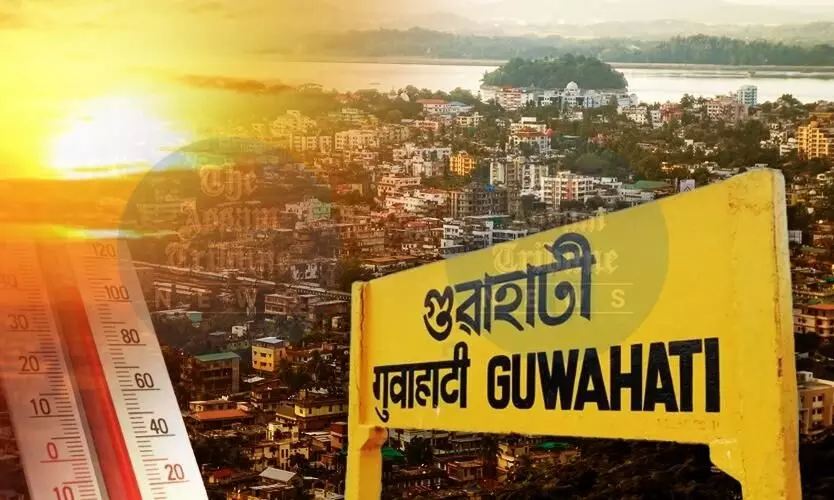
Representational image.
Guwahati, Sept 3: September in Guwahati has lost its calendar this year. Traditionally, the month brings hints of autumn and the tail end of the monsoon, offering residents a gentle slide into cooler days. But in recent years, September has grown unforgivingly hot — and this year is no exception, with little respite in sight.
According to the India Meteorological Department (IMD), the Northeast is expected to see below-normal rainfall this season.
The forecast projects daytime temperatures holding above 30°C through the first week of September with only patchy spells of rain or the odd thunderstorm.
“Owing to low rainfall, partly cloudy skies and increased solar insolation, temperatures in Guwahati have remained relatively high for September,” an IMD official explained.
While many parts of India enjoy retreating monsoon showers and pleasant weather at this time of the year, cities in Assam are baking under a harsh sun.
On September 2, the IMD issued a seven-day rain alert for the Northeast, yet the mercury in Guwahati still crossed 35°C midweek. Factor in humidity, and it felt like sitting inside a sweltering 47°C sauna.
Earlier in 2024 too, Guwahati’s September heat had made headlines, with IMD linking the spike to “high solar insolation” and warning of above-normal temperatures, rising by 4–5°C. This year, the pattern seems set to continue.
Recalling the cooler days of yore, 67-year-old Manju Devi of Chandmari remembered how sweaters once came out of closets in September.
“When we were kids, September felt like the start of winter. We played wearing sweaters. But now it’s far hotter, and even fans feel useless. The weather is dubious. You never know when it might rain or flood,” she said.
For many, the heat has turned everyday routines into a struggle. Pompita Hazarika of Zoo Tiniali said simply stepping out of home has become exhausting. “This is the outcome of rising global temperatures,” she reasoned.
Climate experts echo the concern. “Heat wave spells are no longer seasonal anomalies - they are part of the larger climate change we are heading into,” said Santonu Goswami, Climate Scientist at Azim Premji University, Bangalore.
He added, “Temperatures in the Northeast will continue to rise. High heat and humidity are inversely proportional to thermal comfort.”
The stark shift in the city’s September weather points to a deeper climate crisis with impacts that extend beyond discomfort to health risks.
Chasing the cool air of malls and air-conditioners may offer temporary relief, but it is hardly a solution.
What’s needed, experts say, is greater climate awareness, wider access to climate data, and a focus on adaptation — from staying hydrated to building resilient cities.
Ultimately, much depends on governance and policy working in tandem with science to manage the heat of tomorrow.
By Nikita Hazarika