
Fake PUC racket from Haryana, Rajasthan drains Assam revenue, fuels toxic air
A large-scale fake Pollution Under Control (PUC) certificate racket is allowing thousands of high-emission vehicles to run illegally across Assam
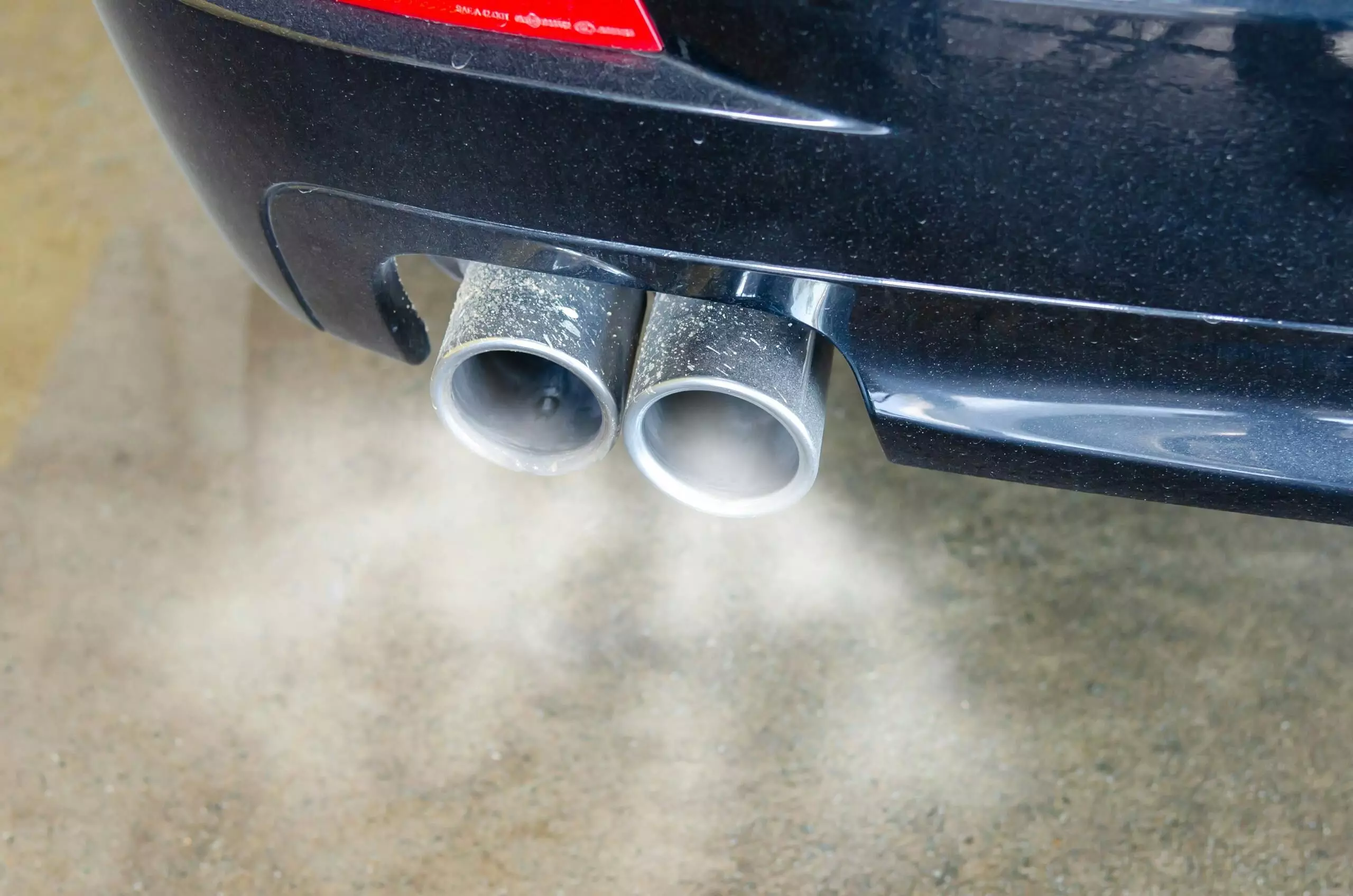
Representational Image
Guwahati, Dec 7: A major pollution certificate racket active in Haryana and Rajasthan has adversely affected Assam, both financially and environmentally.
A huge number of Assam-registered vehicles are reportedly running on fraudulent Pollution Under Control (PUC) certificates issued from Haryana and Rajasthan without even conducting the mandatory emission tests.
While operators in Haryana and Rajasthan are earning easy money, Assam is left to bear the cost – a massive annual revenue leakage and a worsening cloud of toxic air that is steadily endangering the health of its tax payers.
Sources told The Assam Tribune how middlemen in Assam collaborate with the PUC operators in Haryana and Rajasthan to generate certificates without conducting any physical emission tests and at a much lower cost. The racket continues to thrive because it is profitable, convenient, and largely invisible, they alleged.
“No questions asked! Vehicle owners simply share registration details and the Haryana centres print certificates within minutes. No vehicles ever leave Assam. There are also allegations that certificates are even edited with the help of software to disguise the authorities,” a source told this correspondent while making available the copies of a number of such certificates.
“There are centres here that will issue a certificate even if the vehicle is thousand kilometres away,” the source said.
“It’s cheap, fast, and no one checks. Agents from Assam actively coordinate with these centres through WhatsApp messages with vehicle owners from Assam almost every day. It’s routine work now. They know which centres won’t ask for physical verification,” another individual privy to the development said.
Assam’s transport department earns revenue through authorised PUC centres and penalties for non-compliance.
A senior official of the District Transport Office (DTO) when contacted stated that with around 50 lakh registered vehicles in the State, even a modest compliance rate generates significant revenue.
“On an average, around 7,000 new vehicles get registered every day in Assam. Kamrup (Metro) alone has nearly 12 lakh vehicles,” he said.
A conservative assessment reveal that PUC fees alone should bring Assam around Rs 25 crore annually, if not more while penalties for non-compliance should add another Rs 8 crore (approx).
“If thousands of certificates are being procured illegally from Haryana and Rajasthan, then this revenue is evaporating,” said an official of the Transport department.
Another senior Transport official while acknowledging the gravity of the leak, said, “We are looking into it. If the allegations are comprehended, we would leave no stone unturned to unearth the racket.”
“This is systematic revenue theft. Every fraudulent PUC issued outside Assam is money stolen from the State exchequer. The financial loss, however, is only half the story. The environmental fallout is far more alarming,” said a Guwahati-based environment activist.
“Vehicles that would fail emission tests in Assam due to poor maintenance, outdated engines, or tampered exhaust systems are being allowed to operate freely with fake certificates. This is a big public health emergency especially for children and elderly. These vehicles emit 2–5 times more pollutants,” said a source from automobile sector.
“When emission norms are bypassed, the air becomes a slow poison. Children and the elderly are the first to suffer,” said a retired Pollution Control Board officer.
India’s emission control regime is governed by the Central Motor Vehicles Rules (CMVR), 1989, which makes PUC certification and physical testing mandatory.
Rule 116 says that states must regulate authorized centres and cross state issuance without testing is illegal.
“This is not just a corruption story. It is a story about life, death, and the air that millions are forced to breathe,” said Tulika Baishya, a resident of Guwahati.