
'Acceptance takes time', says Poonam Gurung on breaking in as Northeast actor
After 'The Family Man', Poonam says Northeast actors want roles as characters, not regional labels
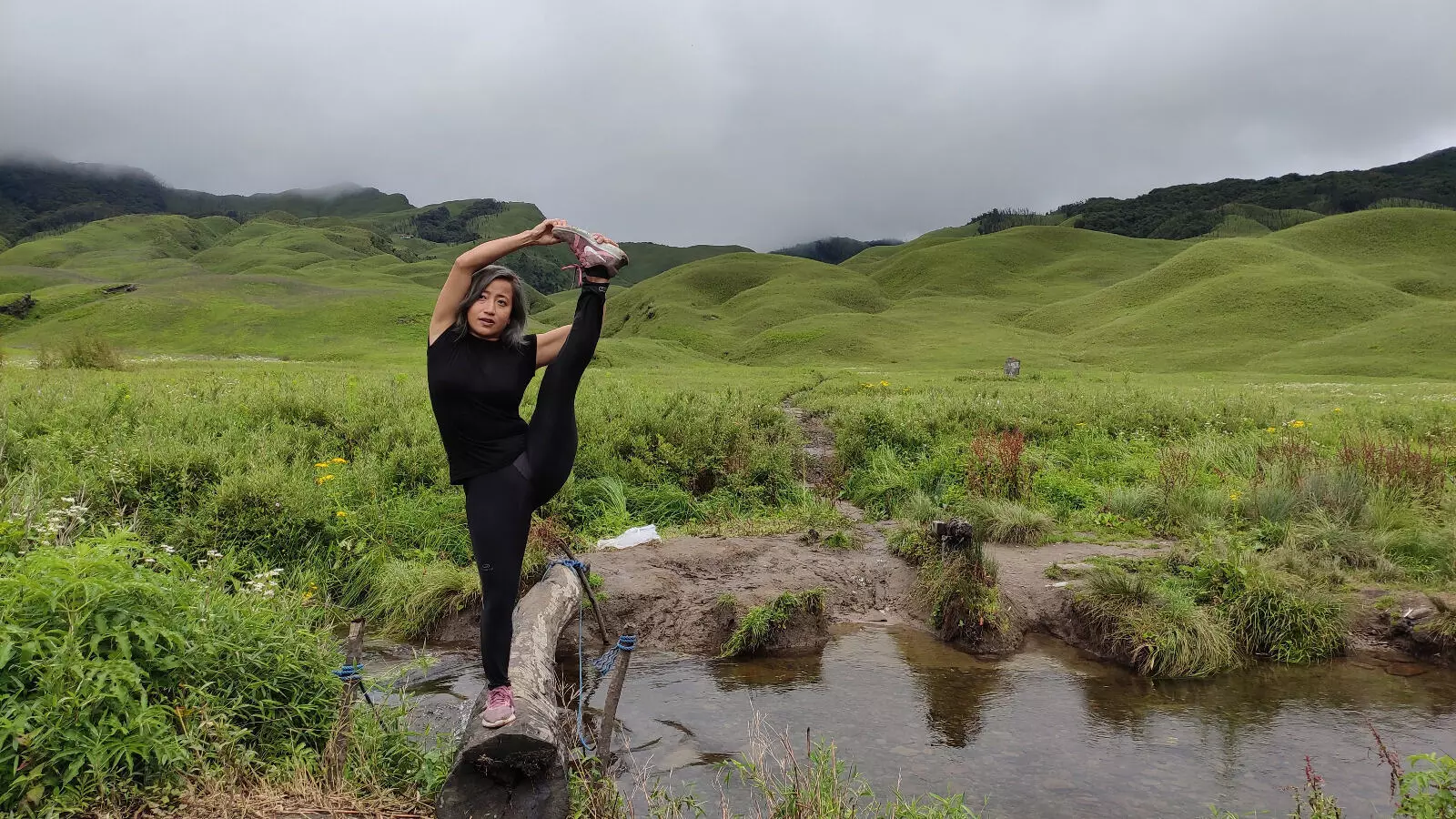
A file image of Poonam Gurung. (AT Photo)
For actors from the Northeast, making a mark in mainstream entertainment industry is often a slow, uphill journey. Poonam Gurung, now a familiar face from The Family Man Season 3, opens up on her journey, her experiences on set, and the challenges she has faced as a Northeastern actor in the industry.
Nagaland, Nepal to Siliguri
Born in Nagaland, Poonam moved to Nepal with her family when she was just two years old. “During my childhood, the monarch was ruling the country. Everything was peaceful, and life seemed normal,” she recalls. But the peace was short-lived. Her father had moved to Dubai, and then political unrest escalated in Nepal.
“Schools were shut for months, and we had no idea when they would reopen. My family was afraid that the rebels might take my older brothers away. Our studies were hampered, and it was a very uncertain time,” she says.
Concerned for their safety and future, her family decided to relocate to Siliguri. After spending some time in Siliguri, Gurung moved to Mumbai for a while, before settling in Guwahati after first COVID-19 lockdown.
A long journey
Gurung’s journey was far from straightforward. “I received a call from Mukesh Chhabra’s assistant for an audition,” she says. But the path began much earlier.
About a decade ago, she worked as a background dancer and trained in calisthenics and martial arts, sharing practice videos on social media to get noticed. At the same time, she was part of a musical theatre production where an assistant had noticed her performances.
Poonam with Majoj Vajpayee (centre) and Sharib Hashmi. (AT Photo)
Two years ago, as the series began casting, the same assistant reached out, hinting at a potential role. Soon after, Poonam got the official call from Chhabra’s assistant.
“While preparing and sending my audition videos, I kept telling myself this was a huge opportunity. I couldn’t afford to mess it up. I recorded the audition carefully and sent it in,” she recalls.
Life on set
She recounts a physically demanding scene. “There was a lot of running, and for me, it was normal: ‘Haan, action karnahai, karliya scene.’ But then the crew said, ‘You did really well.’ I was overwhelmed. When you’ve been deprived of opportunities, you stop expecting praise. And when it comes, it’s a very mixed feeling — surprise, disbelief, and happiness all at once.”
And then there were the hilarious moments, like the underwater scene shot in Kaziranga. “The director asked how long we could stay underwater. I said one minute… even though I can’t swim! When the scene started, I popped up in three seconds. The director said, ‘Ulupi, you said a minute! Give me at least 20 seconds!’ My ego was bruised, but in the next take, I somehow managed to pull it off. Later, it became a running joke, and at our wrap party, everyone kept teasing me about it.”
Poonam with Jaideep Ahlawat.(AT Photo)
Northeastern characters
Gurung speaks candidly about representation. “On film sets, actors from the Northeast are usually cast only when a role specifically requires it. People still talk about the Mary Kom movie, where Priyanka Chopra was cast instead of a northeastern actor,” she says.
She observes that while Northeastern people are working across India, in restaurants, businesses, and other fields, the film industry hasn’t fully embraced them. “If things are changing, it’s mostly for commercial exploration. That’s a step forward, but we have a long way to go,” she says.
Shooting challenges
Shooting in the Northeast posed unique challenges. “The creators would know if any special sanctions were required, but the tourism minister and local authorities were very supportive. Communication can be difficult because of language differences, and while filming in Mumbai is routine, in the Northeast it’s still new for most crews,” Gurung says.
Poonam with Paalin Kabak (left) and a co-actor. (AT Photo)
She also reflects on public curiosity. “Many in Mumbai are aware and intelligent, but India has a billion people. Not everyone wants to know what’s happening outside their homes. Acceptance takes time. People ask innocent questions, but some react with superiority. Change won’t happen overnight. But now, stories like The Family Man are emerging. We’re not just a ‘northeastern person’ on screen — we are characters, people, and good actors,” she adds.
Reality of work in Mumbai
Despite the recognition from the series, Gurung is candid about the challenges of sustaining a career. “I get a lot of PR and praise, but not much work. Roles for northeastern actors are limited. A manager can help, but ultimately, opportunities exist only if the characters are written for us. The market is divided—some are marketable stars, others are influencers with followers. I don’t yet know where I fit,” she says.
Looking ahead
Poonam is currently working on a Hindi song set to release in two weeks and a short film. She also assisted writer Bhaskar Hazarika in Koka Deuta Nati aru Hati 2. When asked how she would describe herself, she says, “I am a learner, hungry to explore more in art and music. A lifetime learner.”