
Meghalaya exporters eye trade revival as BNP takes charge in Dhaka
Following the unrest in Bangladesh in August 2024, the Yunus regime almost brought trade between the two countries to a standstill
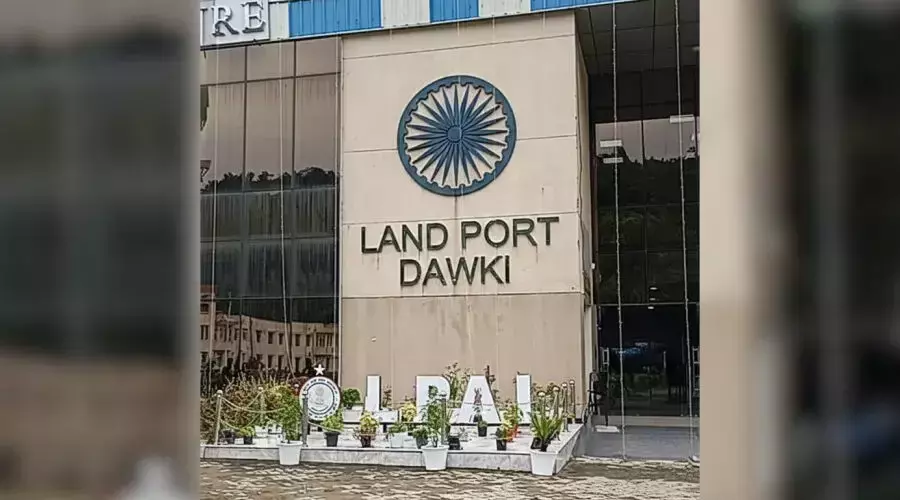
File image of Land Port Dawki
Shillong, Feb 23: With the Muhammad Yunus regime out, there is cautious optimism among Meghalaya exporters that the Bangladesh Nationalist Party (BNP) is “something better than nothing” and that bilateral trade would improve.
“The BNP is something better than nothing. The earlier regime did little to promote trade between India,” said Dolly Khonglah, a prominent exporter and secretary of the Meghalaya International Exports Chamber of Commerce.
She made this remark because, although BNP’s policies towards India have historically been hostile, Yunus took that hostility to a whole new level.
The Yunus regime almost brought trade between the two countries to a standstill with his rhetoric; however, exports of items like coal, limestone, boulder and others from Meghalaya did not entirely stop.
Between April 2005 and January 2006, the total export volume was Rs 87.37 crore, while the import volume stood at Rs 934 crore through the Dawki land port.
Exported items included boulder stone, limestone, coal, methanol, ginger, rice, printed sheet and china clay powder.
Imported items from Bangladesh included plastic items, PVC, LB and wooden furniture, food products and float glass.
“Several exporters from Bangladesh whom I know are also hopeful that bilateral trade between the two neighbouring countries will improve. This benefits both sides, as this trade has been going on for ages,” said Khonglah, who recently began exporting methanol to Bangladesh.
There is also optimism that the border haats (Balat, East Khasi Hills and Kalaichar, South West Garo Hills) along the India-Bangladesh border in the Meghalaya sector would be reopened. These were closed following the unrest in Bangladesh in August 2024.
Due to Yunus’ hawkish approach towards India, New Delhi restricted the import of several items from Bangladesh – such as ready-made garments, processed and packaged foods, fruit-based and carbonated drinks and others – through land ports like Dawki.
Khonglah said even small policy shifts or statements suggesting openness to trade can restore confidence among transporters, customs agents and warehouse operators, but she also cautions that mere political messaging would not be enough – the BNP must follow it up with concrete action on the ground.