
Two more get Indian citizenship under CAA in Assam’s Barak Valley
One beneficiary entered India in 2007, while the other settled in Assam after migrating in 1975
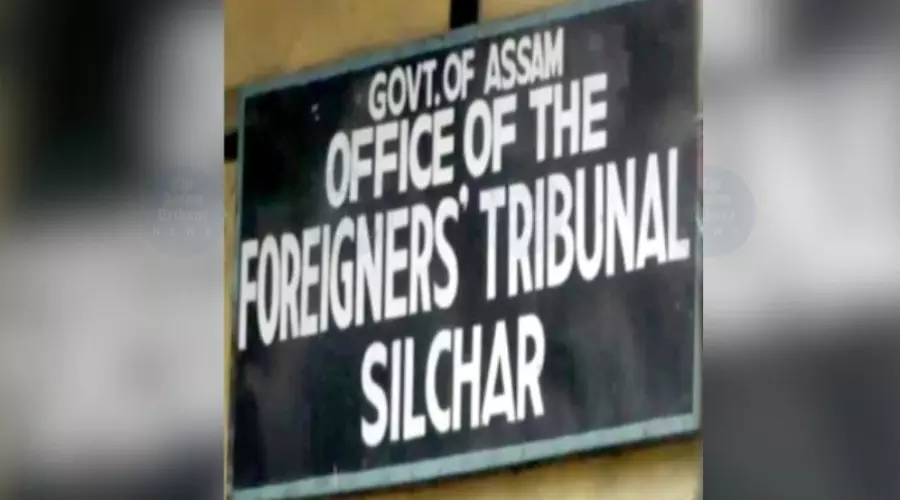
Silchar, Dec 13: Two persons, including a woman, were granted Indian citizenship under the Citizenship Amendment Act (CAA) in Assam’s Cachar district on Friday, two days after the Act marked its sixth anniversary.
The beneficiaries have been identified as a 40-year-old woman and a 61-year-old man. The woman had entered India from Bangladesh in 2007 and later settled in Assam’s Sribhumi district, while the man had entered India in 1975 from Bangladesh’s Moulvibazar district and has been residing in Silchar.
Confirming the development, senior advocate Dharmananda Deb, a former member of the Foreigners’ Tribunal, told The Assam Tribune on Saturday that the Union Ministry of Home Affairs issued the citizenship certificates on December 12.
The approvals take effect retrospectively from the dates the applicants first entered India.
Deb said the identities of the beneficiaries have been withheld to avoid any potential social repercussions.
“The woman had entered India in January 2007 while accompanying a relative to Silchar for medical treatment. She married a local physician in February the same year and has since been residing in the border district of Sribhumi,” Deb said.
Her case was cleared by the Ministry of Home Affairs, making her the first recipient of citizenship in Assam under the CAA through the registration route.
Deb said the woman had applied soon after the CAA rules were notified last year, but her initial application from Sribhumi was rejected due to jurisdictional confusion arising from constituency delimitation ahead of the Lok Sabha elections.
Following legal consultation, a fresh application was submitted and subsequently approved.
“She was granted citizenship under Section 5(1)(c) read with Section 6B of the Citizenship Act, 1955, which allows spouses of Indian citizens to seek registration after completing the prescribed period of residence,” he said.
Referring to the second case, Deb said the 61-year-old man had settled in Silchar, married a woman from Tripura and raised his family in Assam. His citizenship was granted through the process of naturalisation.
“With these two approvals, the number of post-1971 entrants in Assam who have received Indian citizenship under the CAA under my legal counsel has risen to four,” Deb said, adding that several applications remain pending due to procedural bottlenecks at the state level.
Reacting to the development, senior advocate of the Gauhati High Court and chief advisor to the Assam-based Citizens Rights Preservation Committee (CRPC), Hafiz Rashid Choudhury, said the CAA of 2019 does not adequately address the concerns of Hindu refugees and has instead created confusion among applicants.
While acknowledging that the two beneficiaries met the eligibility criteria, Choudhury maintained that the process under the Act remains unclear and divisive, alleging it is driven more by political considerations than by a genuine effort to safeguard refugees.
Earlier in November, officials had told The Assam Tribune that around 40 applications had been received under the Act. However, the actual number of applicants is likely to be lower, as some individuals applied multiple times.