
Tilak Deka: The unsung hero of Assam’s Quit India Movement
On his death anniversary, honouring the indomitable courage of Tilak Deka, who laid down his life as a martyr in 1942.
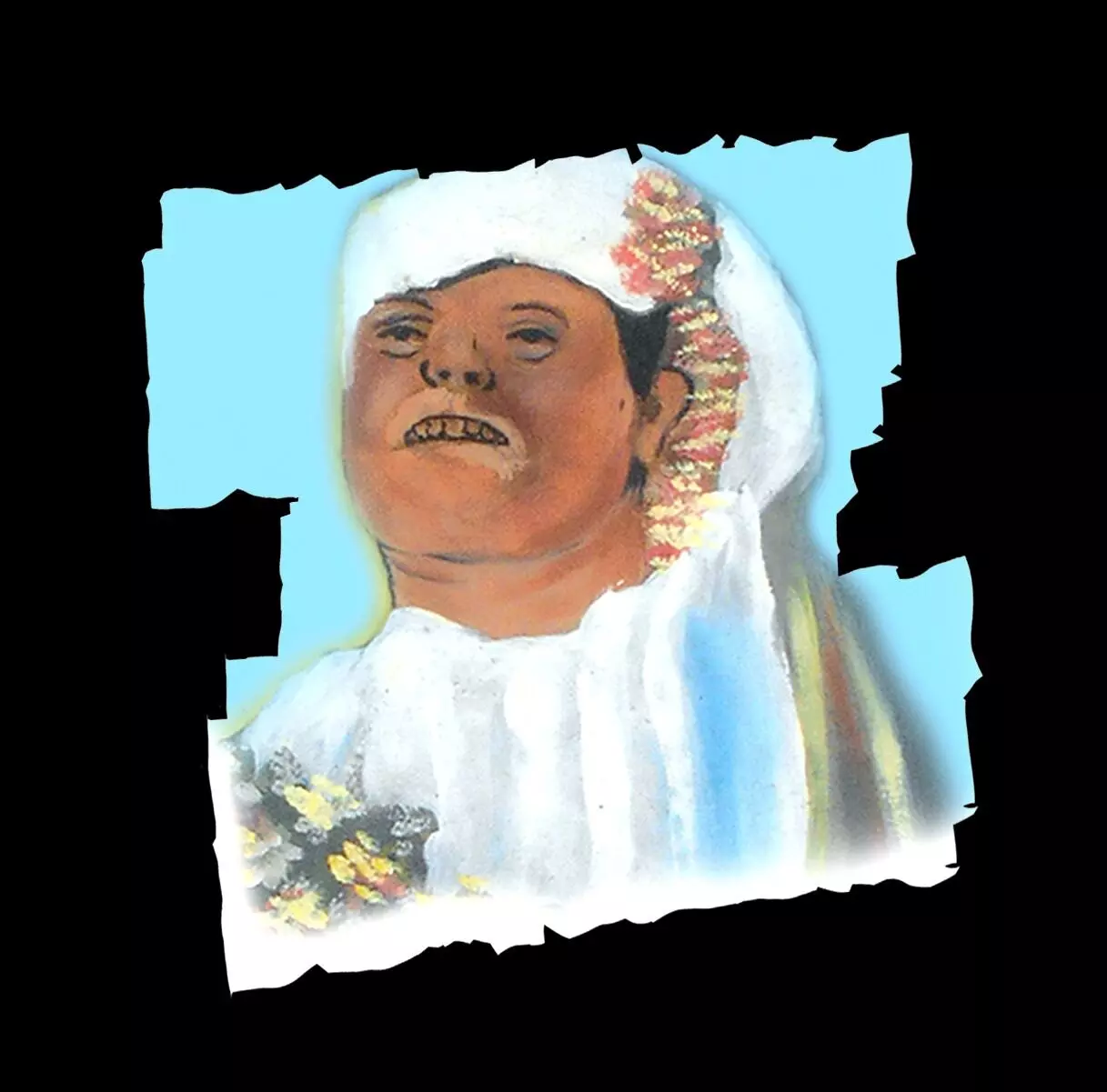
A symbol of courage, sacrifice and indomitable spirit is what Tilak Deka was
The piercing sound of a pepa sliced through the midnight air, a signal of impending danger. It was August 28, 1942, and the British military was advancing on the peaceful villages of Assam. The horn, played by a young freedom fighter named Tilak Deka, was a defiant act, a call to action against the oppressive forces.
That night, Tilak Deka, a man who would forever etch his name into the annals of India's freedom struggle, was brutally killed. As the British forces, led by Captain Finch and Dam Sahib, moved through the villages, Tilak stood his ground. Ignoring their threats, he raised the horn to his lips one last time, a symbol of his unwavering resolve. "You do your job." he declared, "I will do my duty! A hail of bullets silenced him forever. His body dismembered and bloody, was unceremoniously buried by the roadside by local men, Nandeshwar Deka and Tilen Raja, under the orders of the British officers.
The next morning, patriots Lalching Deka, and Hila Guti Deka, along with countless villagers, recovered his body. They washed it, offered flowers and tributes, and gave him a hero's burial. This was the story of Tilak Deka, a true revolutionary born in May 1924 in Charaibani, Morigaon.
Tilak Deka was born to Maniram alias Katiram alias Baruvatia and Puneshwari. Raised in a humble household, he was unable to get a formal education, but he absorbed the far more important lessons of life; sacrifice and responsibility. He was a man of immense integrity and courage, always prioritising his conscience over personal safety. Tilak was admired by all who knew him for his selflessness, his respect for others, and his devotion to his community.
In 1942, the Quit India Movement ignited the entire Northeast, and the districts of Nagaon and Morigaon were no exception. In August of that year, after the All India Congress Committee passed the Quit India Resolution, leaders across the country were immediately jailed. In Raha, a massive public rally was held in protest, led by Mahendra Nath Hazarika. Thousands of people from surrounding villages gathered, determined to disrupt British operations. Their objective was to halt the movement of military supplies. Their motto was 'do or die'.
One night, a group of freedom fighters destroyed the Kacharikhanda bridge near the historic Jongalbalha fort, a key route for army supplies. Another group lifted fishplates from the railway line. These acts of sabotage were a powerful statement against the British. The authorities retaliated with extreme violence, leading to a brutal assault on the protestors. The Raha tehsil office was set ablaze, and the British military responded by open fire, where Hemram Patar and Gunsbhiram Bardoli were martyred, and many others were severely injured.
On the night of August 28, the British military was tipped off about another planned protest. Tilak Deka, Mikirgaon, was asked to take over guard duty for his uncle. Without hesitation, he accepted the responsibility, Along with a few friends, he patrolled the village streets, armed with a pepa and a knife, ready to signal the people at the first sign of danger.
Just after midnight, British military entered from the Raha side. As they approached, Tilak blew his horn. The village drums and cymbals joined in, spreading the alarm and causing panic among the British soldiers. Captain Finch and Dam Sahib, along with a team of local police, quickly moved to the main road, ordering the freedom fighters to stop. Tilak's companions fled, but he stood his ground.
Despite the barrels of the guns aimed at him, Tilak raised his horn one last time. "You all do your work," he shouted, "I will certainly do mine." The British soldiers opened fire, and a barrage of bullets tore through his body, splitting his head. His blood soaked the earth. Tilak's commitment, selflessness, and determination were a testament to the strength of the human spirit.
A lasting legacy: A swahid stambha and a bust of the martyr were later built at the burial site, reminding every one of his unwavering courage. In the aftermath of his death, Tilak's body was recovered and honoured by his fellow patriots. His martyrdom is an exceptional example of unwavering duty and responsibility.
Tilak Deka's contribution to the freedom struggle is an invaluable part of history. His sacrifice inspired countless others. In his birthplace of Charaibahi and in the Hatichung (Ulubari) area of Nagaon, his death anniversary is still observed every year. A school has been established in his honour, and various organisations continue to keep his memory alive.
The family of Tilak Deka still resides at his birthplace. They have received little support from the government. The local community has long requested that the government to recognise his sacrifice with a special donation to ensure his legacy lives on. Tilak Deka, the brave hero of 1942, now rests in the pages of India's independence history.
- Dr Kamal Ch Nath