
Nearly 100 million kg tea exports from Assam at risk amid West Asia conflict
Key markets in West Asia account for a major share of Assam's tea exports, making the industry vulnerable to disruptions in the region.
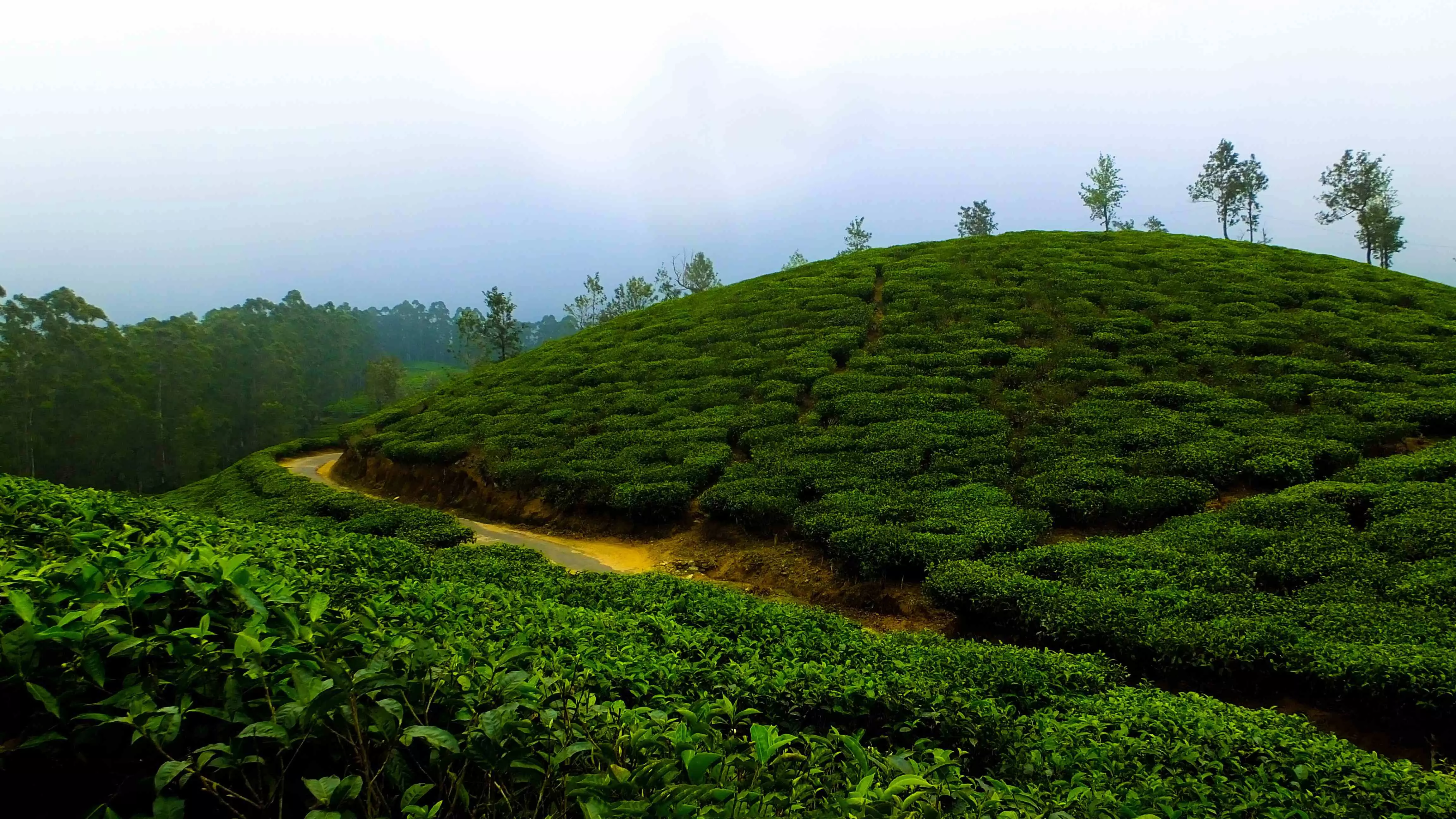
A tea garden in Assam (Representational Image)
Jorhat, March 4: The ongoing conflict in the Middle East could significantly affect Assam's tea industry if disruptions to key shipping routes continue for an extended period, according to prominent tea planter and former chairman of the Tea Board of India, Prabhat Bezbaruah.
Speaking about the potential impact of the conflict on the tea trade, Bezbaruah said a prolonged war and possible closure of the Strait of Hormuz, one of the world’s most crucial maritime trade routes, could severely affect tea exports from India to West Asian countries.
“The tea industry will face losses if the war continues for a long time. Last year, India exported around 280 million kilograms of tea, and about 40 percent of that (nearly 100 million kilograms) went to West Asian countries, including Iraq, Iran, the UAE, Oman and Jordan,” Bezbaruah said.
He explained that the strong trade link between the Indian tea industry and West Asia means any prolonged instability in the region could disrupt exports significantly.
“In the current situation, exports to these countries may be badly hit. It is not only Iran but the broader instability across the region that could affect trade flows,” he said.
Bezbaruah stressed that the situation would become particularly serious if the Strait of Hormuz remains closed or restricted for a long period.
“If the Hormuz Strait remains closed for a prolonged period, it will have a severe impact on the tea industry because shipments to several West Asian markets pass through that route,” he said.
However, he noted that while Iran is part of the export market, the volume of tea exported directly to the country is comparatively smaller.
“Last year, about 12 million kilograms of tea were exported to Iran. Even if Iran’s imports are affected, the direct impact may not be very large. But instability across the entire West Asian region will inevitably affect overall exports,” he explained.
According to Bezbaruah, the United States another important market may remain largely unaffected by the conflict.
“Last year, about 20 million kilograms of tea were exported to the United States, and the current conflict is unlikely to significantly impact exports to that market,” he added.
Bezbaruah said it is still too early to fully assess the impact of the war on the tea industry, as the new production cycle in Assam typically begins in April.
“Tea production in Assam starts from April. Only then will we begin to understand how the ongoing geopolitical situation may affect exports and trade patterns,” he said.
Apart from geopolitical uncertainties, Bezbaruah also expressed concern about the slow start to Assam’s tea production season this year, mainly due to inadequate rainfall.
“The beginning of the season has not been good. There has been very little rain so far, and the small amount of rainfall we received is not sufficient for the plantations,” he said.
He explained that the next few months are crucial for the industry.
“For the tea industry, March, April and May are extremely important months. Tea production depends heavily on weather conditions during this period. If rainfall improves and temperatures remain moderate, then production can still recover,” Bezbaruah said.
Recalling last year’s output, Bezbaruah said Assam remained the largest tea-producing region in India.
“Last year, Assam produced roughly 680 million kilograms of tea, while the total national production stood at around 1,330 million kilograms,” he said.
He added that favourable weather conditions over the coming weeks would play a key role in determining whether this year’s production can match or exceed previous levels.