
Flood-hit Lakhimpur fields thrive through women-led crab-rice farming initiative
A women-led agro innovation in Lakhimpur uses crab to protect crops, improve soil fertility and provide extra income for rural households.
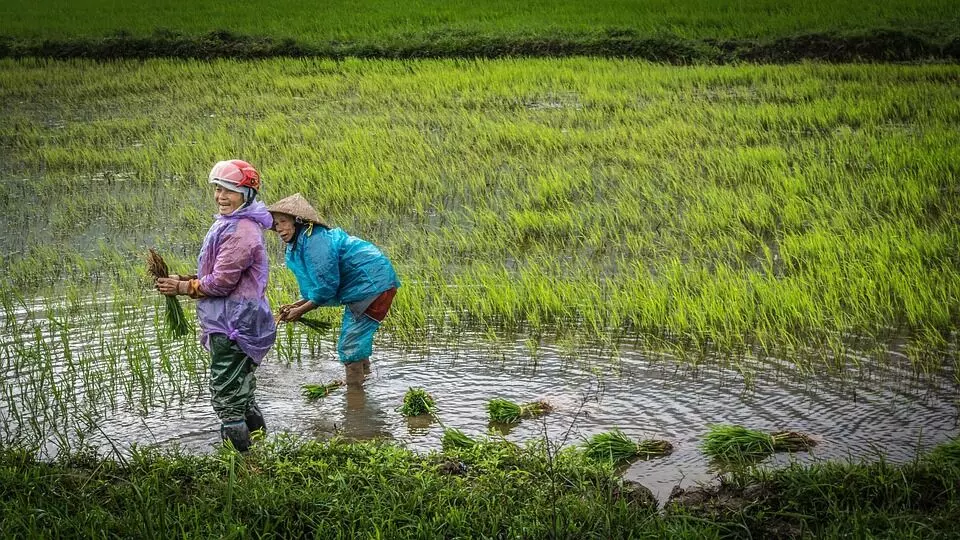
Women sowing paddy (Picture used for representational purpose only)
In the flood-affected areas of Assam's Lakhimpur district, a group of determined women farmers is rewriting the story of rural agriculture. By adopting a unique model that combines paddy cultivation with crab-rearing, these women are not only strengthening their livelihoods but also responding innovatively to the challenges posed by climate change.
Locally known as 'Krishi Sakhis', these women have transformed vulnerable paddy fields into thriving ecosystems where rice and crabs grow together in harmony. The method draws inspiration from the traditional paddy-fish farming technique long practised in Assam, but gives it a new twist by introducing crabs instead of fish. The idea is simple but impactful while rice continues to be grown as usual, freshwater crabs are raised in the same fields, taking advantage of the wetland environment and contributing to the health of the crop.
The presence of crabs helps maintain the ecological balance of the field. Their droppings enrich the soil, and their movement helps aerate it. At the same time, they feed on insects and small pests, reducing the need for chemical pesticides. The paddy plants, in turn, provide a shaded and nutrient-rich environment ideal for crab growth. This natural interdependence results in healthier crops and better yields without the use of harmful agrochemicals.
These women farmers have taken it upon themselves to promote organic methods, guided by a deeper concern for the environment and their own health. Instead of relying on synthetic fertilisers or chernical sprays, they are using homemade bio-inputs and traditional pest repellernts like Neemastra and Agniastra, prepared from locally available ingredients. Such practices help maintain soil fertility, conserve biodiversity, and ensure that the produce remains chemical-free.
The integrated paddy-cum-crab farming system is especially suitable for Assam's flood-prone regions. Where floodwaters once threatened to wipe out entire crops, the new method allows cultivation to continue with resilience. Crabs can survive in standing water for longer periods than many fish varieties, making them a more flood-tolerant option. As climate change brings more erratic weather patterns, such adaptive farming methods become crucial to sustaining rural livelihoods.
For the women leading this initiative, the benefits are both economic and social. Crab farming provides an additional source of income during times when rice farming alone may not be sufficient. Many of these women now have better financial independence and decision-making power in their households. By working collectively and sharing knowledge, they have also built a sense of community and mutual support that strengthens their efforts further.
This innovative farming model has begun attracting attention from agricultural experts and local authorities, who see it as a promising strategy to improve food security and promote sustainable agriculture. Scientific institutions and NGOs are stepping in to offer training, technical support, and access to organic markets, helping to scale the model beyond a few villages.
Women farmers transplant Betguti paddy seedlings in Assam's Lakhimpur district, ASALM
While the road ahead is not with-out challenges - such as access to quality crab seed, better water management tools, and infrastructure for market linkage - the success of these women farmers offers hope and direction. Their work is a living example of how local knowledge, ecological understanding, and grassroots leadership can come together to address global issues like climate change and food insecurity.
By embracing Nature-based solutions and refusing to rely on harmful inputs, these women are not just cultivating rice and crabs, they are cultivating resilience, sustainability, and dignity. In doing so, they are leading a quiet but powerful revolution in Assam's farmlands, one field at a time.