
Seven Mobile-First Trading Trends That Are Redefining the Forex Market
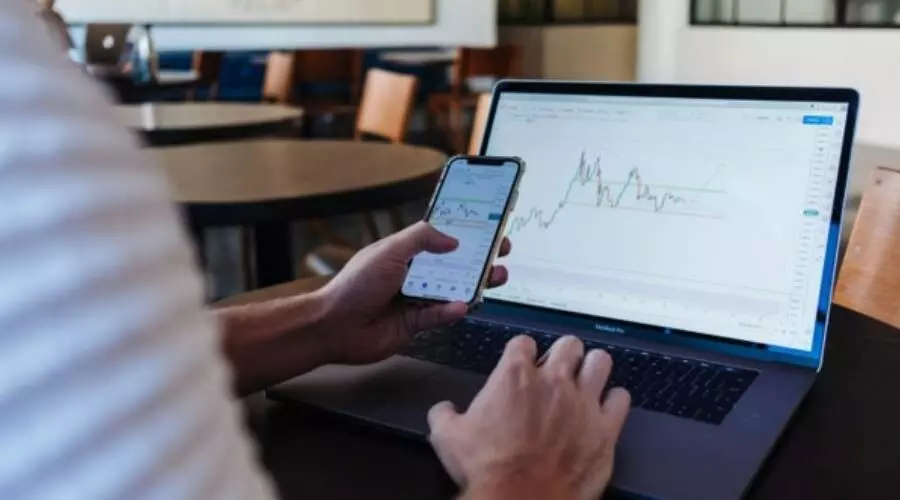
The global financial landscape has always been shaped by technology, but never before has the shift been so rapid as it is today with mobile-first trading. In India, where smartphone adoption is among the highest in the world, the way people trade currencies is changing quickly. Mobile platforms are no longer just supporting tools but the very core of trading activity. These shifts are redefining the forex market and creating new opportunities for Indian investors who are ready to adapt.
Understanding the New Forex Environment
For many beginners, the first step is learning what is forex and how it works as a global marketplace where currencies are exchanged. Once this foundation is clear, traders in India can begin to explore how mobile technology is shaping the way trades are placed, monitored, and managed. With India’s younger population more inclined to use apps than desktops, the mobile-first trend is not just a convenience but a cultural transformation in the way financial markets are accessed.
1. Accessibility Across Cities and Regions
One of the most significant changes is how mobile-first platforms have expanded access. Earlier, active trading was limited to major financial hubs like Mumbai or Delhi. Now, people in smaller cities such as Jaipur, Indore, and Lucknow can trade currencies in real time. Affordable data plans and reliable 4G networks have opened doors for millions of Indians who want to participate in global markets without relying on brokers or physical trading terminals.
2. Real-Time Risk and Reward Tools
Mobile trading apps in India are now equipped with built-in calculators and alerts that help traders assess risk before placing orders. Features such as stop-loss, take-profit, and real-time margin calls are becoming standard. These tools are especially valuable for Indian retail investors who might not have access to financial advisors. Instead of reacting blindly, traders can make more calculated moves that protect their capital.
3. Integration of Regional Languages
Language has always been a barrier in financial participation across India. Mobile-first platforms are addressing this by offering regional language options, making it easier for people in Tamil Nadu, West Bengal, or Gujarat to understand instructions and market signals. By breaking down this barrier, trading is becoming more inclusive and welcoming to first-time investors who are more comfortable in their native tongue.
4. Growth of Social Trading Communities
The mobile era has made it possible to connect with fellow traders instantly. In India, social trading groups on apps and platforms are thriving. Traders can follow strategies, copy trades from experienced investors, and share insights in real time. This peer-to-peer exchange has encouraged more participation by reducing the fear of isolation and by creating a community-driven approach to learning.
5. AI and Automation on Mobile Devices
Artificial intelligence and automation are no longer limited to high-end institutional platforms. Indian mobile apps now allow users to set automated strategies, where trades are executed when conditions match predefined rules. This is particularly appealing for professionals who do not have the time to monitor the market constantly. By setting clear rules, even a doctor in Pune or an engineer in Hyderabad can engage in forex trading without being tied to a screen all day.
6. Educational Content Built Into Apps
Another trend is the focus on education. Many apps now provide video tutorials, glossaries, live webinars, and even quizzes to test knowledge. This is a critical development in India, where financial literacy levels are still evolving. By learning directly within the app, traders do not need to search for external resources. The convenience of integrated education ensures that every trade is backed by better knowledge and awareness.
7. Micro-Investing and Smaller Trade Sizes
Indian traders are often cautious when starting. Mobile-first apps now allow micro-investing, where users can trade with very small amounts. This lowers the entry barrier and makes it possible for students, young professionals, and part-time traders to participate. By starting small, they gain confidence, learn risk management, and build the foundation for larger trades in the future.
How Indian Traders Are Using These Trends
The impact of these trends can be seen in the everyday lives of Indian traders:
● A college student in Bengaluru uses a demo account on a mobile app to learn strategies before trading live.
● A textile exporter in Surat tracks the USD/INR pair during business trips, making quick hedges to protect earnings.
● A homemaker in Kochi participates in a community group to share forex strategies and uses risk calculators built into the app.
These examples show that mobile-first trading is not restricted to professionals. It is empowering diverse groups across the country.
Looking Ahead
The combination of mobile-first innovation and India’s tech-savvy population signals a future where forex trading will be more inclusive, transparent, and efficient. With 5G on the horizon and further integration of AI, traders will likely see even more advanced features like voice-enabled trading commands and personalised risk profiles. The key for Indian traders will be to adapt quickly and embrace these tools as part of their financial journey.
Conclusion
The forex market is being redefined by mobile-first trends, and India is at the centre of this transformation. From accessibility and language integration to automation and education, the changes are not just technological but cultural. For Indian traders, the question is no longer about whether to shift to mobile platforms but how to maximise the opportunities they provide. Those who stay updated, practice consistently, and manage their risks well will find themselves ahead in a world where global trading fits right into the palm of their hand.
(The views, opinions, and claims in this article are solely those of the author’s and do not represent the editorial stance of The Assam Tribune)