
The question of whether CBD gummies are legal in India sits at the intersection of science, law, and public perception. Cannabidiol, commonly known as CBD, is a compound derived from the cannabis plant. Because cannabis has long been associated with intoxication and legal restrictions, many people assume that all cannabis-related products are automatically illegal. The reality is more nuanced. The legality of CBD gummies in India depends largely on their source and composition, particularly the level of THC they contain.
To understand the legal position, it is important to distinguish between CBD and THC. THC, or tetrahydrocannabinol, is the psychoactive compound in cannabis responsible for the “high” effect. CBD, on the other hand, is non-intoxicating. It does not alter perception or produce euphoria. This difference plays a central role in how the law treats various cannabis-derived products.
In India, cannabis is regulated under the Narcotic Drugs and Psychotropic Substances Act of 1985, commonly known as the NDPS Act. This law places strict controls on certain parts of the cannabis plant, especially the flowering tops and resin, which are associated with psychoactive effects. However, the law makes distinctions between different parts of the plant. Products derived from the leaves and seeds are treated differently from those made from the flowering tops.
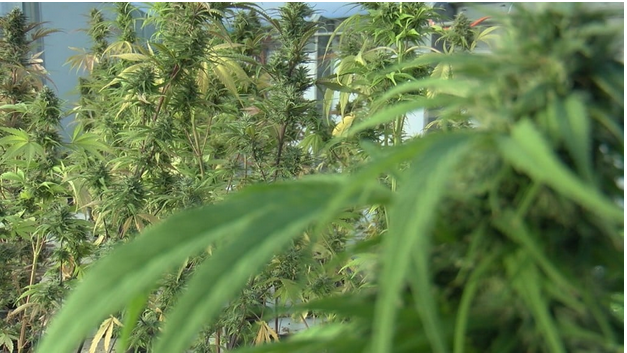
CBD gummies that are derived from industrial hemp and contain only trace amounts of THC are generally considered legal to buy and use in India. Industrial hemp refers to specific varieties of the cannabis plant that are cultivated to contain very low levels of THC. When CBD is extracted from such hemp, and the final product contains only minimal THC, it does not fall under the category of prohibited narcotic substances in the same way that marijuana or high-THC edibles do.
That said, legality is not simply about calling something CBD. The product must comply with certain standards. THC levels must remain within permissible limits, and the product must not be marketed or formulated in a way that makes it psychoactive. Gummies that contain significant levels of THC, or are designed to produce intoxicating effects, remain illegal in India. Possession or sale of such products can result in serious legal consequences.
Another important aspect of legality is compliance and transparency. Reputable CBD brands typically provide lab testing reports that show the cannabinoid content of their products. These third-party lab certificates confirm that the THC level is within legal limits and that the product is free from harmful contaminants. While not every consumer examines these reports closely, their availability is an indicator that the company is operating within regulatory boundaries.
The legal landscape has also been influenced by growing awareness of the therapeutic potential of CBD. Around the world, research has explored CBD’s possible role in supporting sleep, managing stress, and addressing certain medical conditions. Although research is still ongoing and not all claims are fully validated, this expanding body of evidence has shaped public and regulatory attitudes. In India, some CBD products are marketed within the framework of traditional medicine systems or as wellness supplements, further reinforcing their legitimacy when produced responsibly.
However, it is important to note that CBD products are not yet regulated in the same way as conventional pharmaceuticals. This means consumers must exercise caution. Just because a product is labeled as CBD does not automatically guarantee compliance. Buyers should ensure that the product clearly states its THC content, provides transparency about sourcing, and is sold by a credible supplier. In a developing market, quality can vary significantly.
Availability is another indicator of legality. CBD gummies are commonly sold through online platforms in India rather than mainstream retail stores. While their online presence suggests a degree of acceptance, it also places greater responsibility on consumers to verify the authenticity and compliance of what they are purchasing. Consulting a healthcare professional before using CBD is often recommended, especially for individuals who are taking other medications or have existing medical conditions.
In summary, CBD gummies can be legal to buy and use in India if they are derived from industrial hemp and contain only trace amounts of THC within permissible limits. Products that contain higher levels of THC or are intended to produce psychoactive effects remain illegal under Indian law. As with many emerging wellness products, the key factors are source, composition, and regulatory compliance.
The conversation around CBD in India reflects a broader shift in how cannabis-related compounds are understood. Rather than viewing all derivatives through a single lens of prohibition, lawmakers and consumers are beginning to differentiate between intoxicating substances and non-psychoactive compounds. This more nuanced approach allows space for products like hemp-derived CBD gummies to exist legally, provided they adhere to established guidelines.
Anyone considering purchasing or using CBD gummies in India should approach the decision with informed caution. Understanding the difference between CBD and THC, verifying product quality, and staying aware of evolving regulations can help ensure that the choice is both safe and lawful. As research continues and regulatory frameworks develop further, clarity around CBD’s legal status may become even stronger, but for now, careful selection and awareness remain essential.
(The views, opinions, and claims in this article are solely those of the author’s and do not represent the editorial stance of The Assam Tribune)